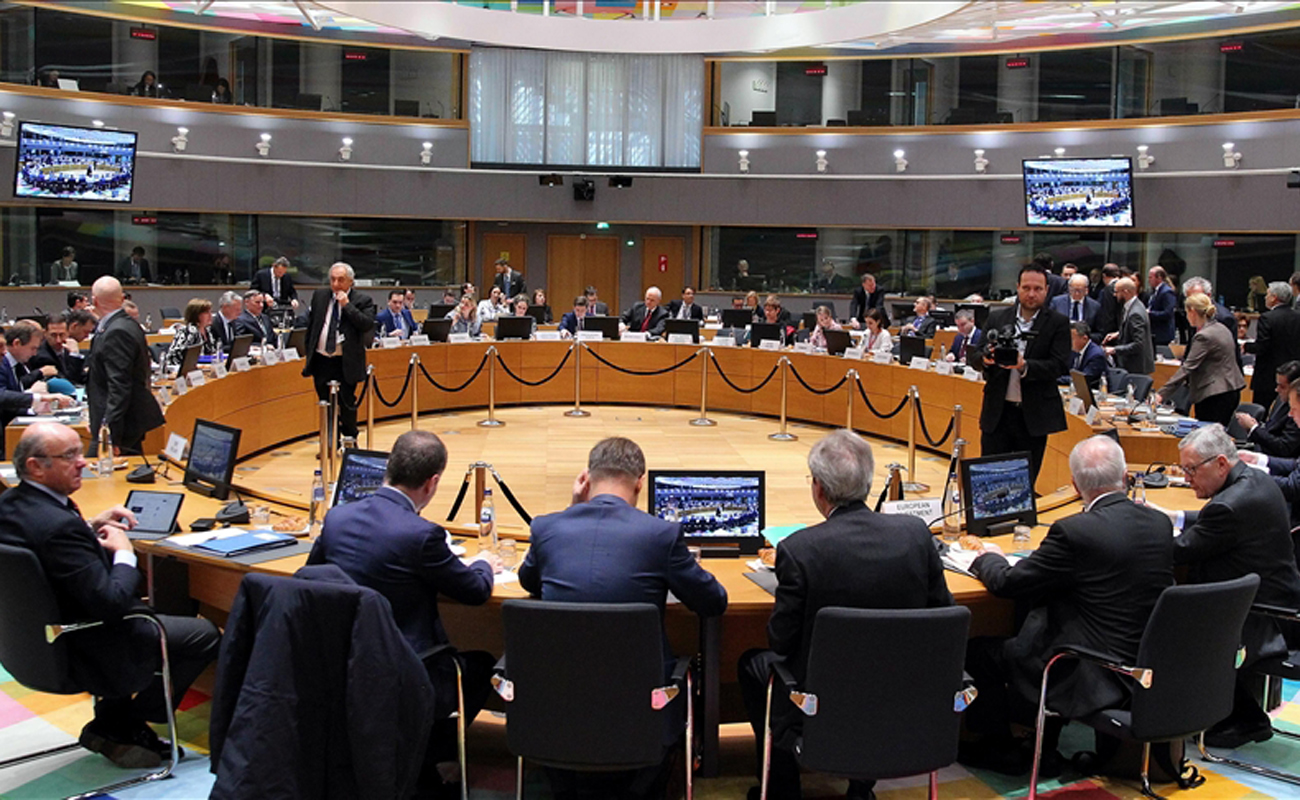
ਯੂਰਪੀ ਯੂਨੀਅਨ (EU) ਨੇ ਰੂਸ ‘ਤੇ ਲੱਗੀਆਂ ਆਰਥਿਕ ਪਾਬੰਦੀਆਂ ਨੂੰ ਹੋਰ ਛੇ ਮਹੀਨਿਆਂ ਲਈ ਵਧਾ ਦਿੱਤਾ ਹੈ, ਜੋ ਕਿ ਉਸ ਦੇ ਯੂਕਰੇਨ ‘ਤੇ ਕਰਮਾਂ ਅਤੇ ਸੈਨਾ ਕਾਰਵਾਈਆਂ ਦੇ ਪ੍ਰਭਾਵਾਂ ਦੇ ਤੌਰ ‘ਤੇ ਜਾਰੀ ਕੀਤੀਆਂ ਗਈਆਂ ਸੀ। ਇਹ ਪਾਬੰਦੀਆਂ ਰੂਸ ਦੀ ਵਪਾਰ ਅਤੇ ਵਿੱਤੀ ਸਰਗਰਮੀਆਂ ਨੂੰ ਲੱਕੜੀ ਬਣਾਉਣ ਲਈ ਲਗਾਈਆਂ ਗਈਆਂ ਹਨ ਅਤੇ ਇਸ ਦੇ ਤਹਿਤ ਯੂਰਪੀ ਰਾਜਾਂ ਨੇ ਰੂਸ ਨਾਲ ਕੁਝ ਵਿਸ਼ੇਸ਼ ਵਪਾਰਕ ਅਤੇ ਬੈਂਕਿੰਗ ਰਿਸ਼ਤਿਆਂ ਨੂੰ ਸੀਮਿਤ ਕੀਤਾ ਹੈ।
ਇਹ ਪਾਬੰਦੀਆਂ 2022 ਤੋਂ ਲਾਗੂ ਹਨ ਅਤੇ ਯੂਰਪੀ ਯੂਨੀਅਨ ਨੇ ਇਨ੍ਹਾਂ ਨੂੰ ਨਵੇਂ ਰੂਪ ਵਿੱਚ ਤਾਜ਼ਾ ਕੀਤਾ ਹੈ, ਜਿਸ ਵਿੱਚ ਰੂਸ ਦੇ ਆਈਕਾਨਾਮੀ ਅਤੇ ਫਾਇਨੈਂਸ ਖੇਤਰਾਂ ਵਿੱਚ ਰੋਕ-ਟੋਕ ਨੂੰ ਲਾਗੂ ਕੀਤਾ ਗਿਆ ਹੈ। ਇਹ ਰੋਕ ਰੂਸ ਨੂੰ ਅੰਤਰਰਾਸ਼ਟਰੀ ਮਾਰਕੀਟ ਵਿੱਚ ਆਪਣਾ ਪ੍ਰਭਾਵ ਵਧਾਉਣ ਤੋਂ ਰੋਕਣ ਲਈ ਕੀਤੀ ਗਈ ਹੈ ਅਤੇ ਇਹ ਯੂਰਪੀ ਰਾਜਾਂ ਦੇ ਰਾਜਨੀਤਿਕ ਅਤੇ ਆਰਥਿਕ ਦਬਾਅ ਦਾ ਇੱਕ ਹਿੱਸਾ ਹੈ।
ਇਹ ਨਵੀਂ ਚੋਣ EU ਦੇ ਵਿੱਤੀ ਨੀਤੀ ਅਤੇ ਵਪਾਰਕ ਨਿਰਣਿਆਂ ਦਾ ਹਿੱਸਾ ਹੈ, ਜੋ ਰੂਸ ਦੇ ਖਿਲਾਫ਼ ਅੰਤਰਰਾਸ਼ਟਰੀ ਜਵਾਬਦੇਹੀ ਨੂੰ ਮਜ਼ਬੂਤ ਕਰਨ ਲਈ ਕੀਤੀ ਗਈ ਹੈ। ਇਹ ਪਾਬੰਦੀਆਂ ਰੂਸ ਦੇ ਉਰਜਾ, ਲੋਹਾ-ਧਾਤੂ, ਤਕਨਾਲੋਜੀ ਅਤੇ ਰਾਸ਼ਟਰ ਵਪਾਰ ਖੇਤਰਾਂ ਵਿੱਚ ਲਾਗੂ ਕੀਤੀਆਂ ਗਈਆਂ ਹਨ। ਇਨ੍ਹਾਂ ਦੇ ਜ਼ਰੀਏ ਯੂਰਪੀ ਰਾਜਾਂ ਰੂਸ ਨੂੰ ਆਪਣੇ ਫੈਸਲਿਆਂ ‘ਚ ਪਾਰਦਰਸ਼ੀਤਾ ਅਤੇ ਜਵਾਬਦੇਹੀ ਦੇ ਮਿਆਰਾਂ ਨੂੰ ਮੰਨਣ ਲਈ ਦਬਾਅ ਦੇ ਰਹੇ ਹਨ।
EU ਦੇ ਅਧਿਕਾਰੀਆਂ ਨੇ ਕਿਹਾ ਕਿ ਇਹ ਪਾਬੰਦੀਆਂ ਯੂਰਪ ਅਤੇ ਯੂਕਰੇਨ ਦੀ ਸੁਰੱਖਿਆ ਅਤੇ ਸਥਿਰਤਾ ਨੂੰ ਯਕੀਨੀ ਬਣਾਉਣ ਵਿੱਚ ਮਹੱਤਵਪੂਰਨ ਭੂਮਿਕਾ ਨਿਭਾਵਣਗੀਆਂ। ਇਨ੍ਹਾਂ ਨਿਯਮਾਂ ਦਾ ਉਦੇਸ਼ ਰੂਸ ਨੂੰ ਅੰਤਰਰਾਸ਼ਟਰੀ ਵਿੱਤੀ ਅਤੇ ਵਪਾਰਕ ਪੱਧਰ ਤੇ ਦਬਾਅ ਵਿੱਚ ਰੱਖਣਾ ਅਤੇ ਯੂਕਰੇਨ ਦੇ ਖੇਤਰ ਵਿੱਚ ਸਥਿਰਤਾ ਨੂੰ ਬਣਾਈ ਰੱਖਣਾ ਹੈ।
ਇਸ ਹਾਲਤ ਵਿੱਚ, ਰੂਸ ਦੇ ਵਪਾਰ ਅਤੇ ਆਰਥਿਕ ਖੇਤਰ ਨੂੰ ਯੂਰਪੀ ਮਾਰਕੀਟ ਵਿੱਚ ਆਪਣਾ ਪ੍ਰਭਾਵ ਘਟਾਉਣ ਦੇ ਲਈ EU ਨੇ ਇਹ ਲੰਬੀ ਮਿਆਦ ਦੀ ਯੋਜਨਾ ਬਣਾਈ ਹੈ। ਇਹ ਕਦਮ ਸੰਸਾਰ ਭਰ ਵਿੱਚ ਯੂਰਪ ਦੀ ਸਥਿਤੀ ਨੂੰ ਦਿਖਾਉਂਦਾ ਹੈ ਕਿ ਉਹ ਰੂਸ ਦੇ ਕਾਰਵਾਈਆਂ ‘ਤੇ ਨਿਗਰਾਨੀ ਅਤੇ ਜਵਾਬਦੇਹੀ ਲਗਾਤਾਰ ਜਾਰੀ ਰੱਖੇਗਾ।
The European Union (EU) has extended its economic sanctions against Russia for six additional months, in response to Moscow’s ongoing actions in Ukraine. These measures are aimed at limiting Russia’s trade and financial operations, including restrictions on specific business and banking transactions with European countries, as part of a broader strategy to pressure the Russian government.
The sanctions, originally imposed in 2022, have been renewed with updated provisions, covering several key sectors of the Russian economy and finance, including energy, metals, technology, and international trade. These restrictions are designed to prevent Russia from strengthening its influence in global markets while reinforcing the EU’s political and economic leverage.
The new sanction measures are part of the EU’s financial and trade policy decisions aimed at promoting international accountability. They are intended to curb Russia’s capacity to conduct operations that undermine Ukraine’s sovereignty and regional stability. By targeting crucial sectors, the EU seeks to maintain pressure on Russia to adhere to transparency and responsibility standards in its decisions.
EU officials emphasized that the sanctions play a critical role in ensuring the security and stability of Europe and Ukraine, signaling that any aggressive or destabilizing action by Russia will continue to face international economic and trade pressures. The restrictions also aim to restrict Russia’s access to global finance and limit its ability to expand influence over critical trade channels.
In this context, the EU’s decision to extend sanctions demonstrates its commitment to maintaining a consistent and long-term approach toward Russia. The six-month extension ensures that the EU can monitor and respond to developments in the conflict while sending a clear message about Europe’s position on international norms, accountability, and economic governance.
This move underscores the EU’s stance on supporting Ukraine while simultaneously controlling the economic tools available to Russia. By maintaining trade and financial restrictions, the EU ensures that pressure on Moscow remains effective, signaling to the global community its determination to uphold international law and stability in the region.