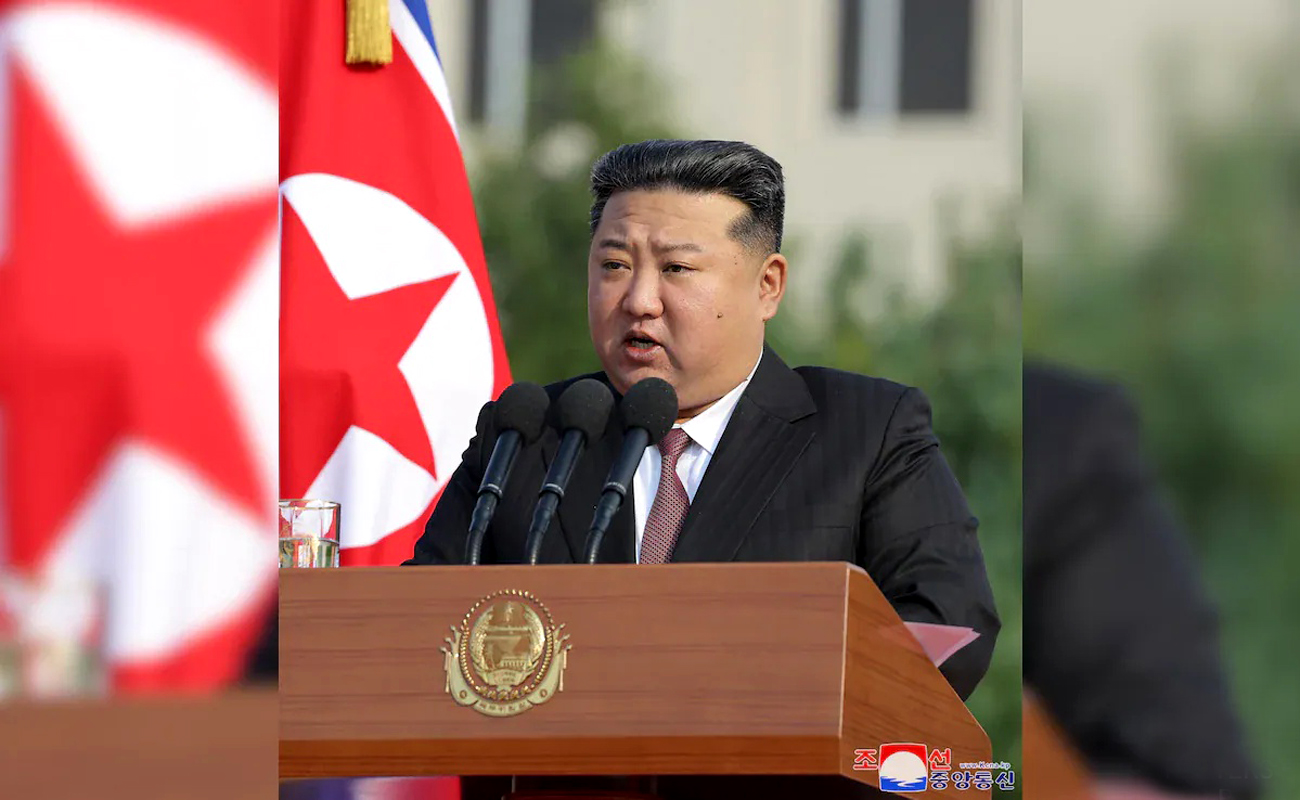
ਉੱਤਰੀ ਕੋਰੀਆ ਦੇ ਸਰਵੋਚ ਨੇਤਾ ਕਿਮ ਜੋਂਗ ਉਨ ਨੇ ਸੰਕੇਤ ਦਿੱਤਾ ਹੈ ਕਿ ਦੇਸ਼ ਅਗਲੇ ਪੰਜ ਸਾਲਾਂ ਦੌਰਾਨ ਆਪਣੀ ਮਿਸਾਈਲ ਅਤੇ ਰਣਨੀਤਕ ਹਥਿਆਰ ਨਿਰਮਾਣ ਸਮਰੱਥਾ ਨੂੰ ਹੋਰ ਤੇਜ਼ੀ ਨਾਲ ਵਧਾਏਗਾ। ਇਹ ਬਿਆਨ ਉਸ ਸਮੇਂ ਸਾਹਮਣੇ ਆਇਆ ਜਦੋਂ ਕਿਮ ਨੇ ਦੇਸ਼ ਦੇ ਮੁੱਖ ਹਥਿਆਰ ਅਤੇ ਗੋਲਾ-ਬਾਰੂਦ ਨਿਰਮਾਣ ਕੇਂਦਰਾਂ ਦਾ ਦੌਰਾ ਕੀਤਾ। ਇਸ ਨਾਲ ਸਪਸ਼ਟ ਹੁੰਦਾ ਹੈ ਕਿ ਉੱਤਰੀ ਕੋਰੀਆ ਆਪਣੀ ਸੈਨਿਕ ਤਾਕਤ ਨੂੰ ਲੰਬੇ ਸਮੇਂ ਲਈ ਮਜ਼ਬੂਤ ਕਰਨ ਦੀ ਯੋਜਨਾ ‘ਤੇ ਕੰਮ ਕਰ ਰਿਹਾ ਹੈ।
ਕਿਮ ਜੋਂਗ ਉਨ ਨੇ ਹਥਿਆਰ ਨਿਰਮਾਣ ਖੇਤਰ ਨੂੰ ਦੇਸ਼ ਦੀ ਰੱਖਿਆ ਰਣਨੀਤੀ ਦਾ ਕੇਂਦਰੀ ਸਤੰਭ ਕਰਾਰ ਦਿੱਤਾ। ਉਨ੍ਹਾਂ ਨੇ ਕਿਹਾ ਕਿ ਮਿਸਾਈਲਾਂ ਅਤੇ ਆਧੁਨਿਕ ਹਥਿਆਰਾਂ ਦੀ ਉਤਪਾਦਨ ਸਮਰੱਥਾ ਵਧਾਉਣਾ ਉੱਤਰੀ ਕੋਰੀਆ ਲਈ ਅਹਿਮ ਹੈ ਤਾਂ ਜੋ ਕਿਸੇ ਵੀ ਬਾਹਰੀ ਖ਼ਤਰੇ ਦਾ ਮੁਕਾਬਲਾ ਕੀਤਾ ਜਾ ਸਕੇ। ਇਸ ਦੌਰਾਨ ਹਥਿਆਰ ਫੈਕਟਰੀਆਂ ਦੀ ਅਧੁਨਿਕਤਾ ਅਤੇ ਉਤਪਾਦਨ ਪ੍ਰਕਿਰਿਆ ਨੂੰ ਹੋਰ ਤੇਜ਼ ਬਣਾਉਣ ‘ਤੇ ਵੀ ਜ਼ੋਰ ਦਿੱਤਾ ਗਿਆ।
ਰਿਪੋਰਟਾਂ ਮੁਤਾਬਕ, ਕਿਮ ਨੇ ਹਥਿਆਰ ਉਦਯੋਗਾਂ ਨਾਲ ਸੰਬੰਧਤ ਅਜਿਹੇ ਮਸੌਦੇ ਦਸਤਾਵੇਜ਼ਾਂ ਨੂੰ ਮਨਜ਼ੂਰੀ ਦਿੱਤੀ ਹੈ, ਜੋ ਆਉਣ ਵਾਲੇ ਪਾਰਟੀ ਕਾਂਗਰਸ ਵਿੱਚ ਪੇਸ਼ ਕੀਤੇ ਜਾਣਗੇ। ਇਹ ਕਾਂਗਰਸ ਉੱਤਰੀ ਕੋਰੀਆ ਦੀ ਅਗਲੀ ਪੰਜ ਸਾਲਾ ਅਤੇ ਲੰਬੀ ਮਿਆਦ ਦੀ ਸੈਨਾ ਅਤੇ ਆਰਥਿਕ ਰਣਨੀਤੀ ਨੂੰ ਨਿਰਧਾਰਿਤ ਕਰਨ ਵਿੱਚ ਅਹਿਮ ਭੂਮਿਕਾ ਨਿਭਾਏਗੀ।
ਇਸ ਤੋਂ ਇਲਾਵਾ, ਕਿਮ ਨੇ ਨੈਵੀ ਸਮਰੱਥਾ ਵਧਾਉਣ ਵਾਲੇ ਪ੍ਰੋਜੈਕਟਾਂ ਦੀ ਵੀ ਸਮੀਖਿਆ ਕੀਤੀ, ਜਿਸ ਨਾਲ ਇਹ ਦਰਸਾਇਆ ਗਿਆ ਕਿ ਉੱਤਰੀ ਕੋਰੀਆ ਸਿਰਫ਼ ਜ਼ਮੀਨੀ ਮਿਸਾਈਲਾਂ ਹੀ ਨਹੀਂ, ਸਗੋਂ ਸਮੁੰਦਰੀ ਰੱਖਿਆ ਤਾਕਤ ‘ਤੇ ਵੀ ਧਿਆਨ ਦੇ ਰਿਹਾ ਹੈ। ਹਾਲ ਹੀ ਵਿੱਚ ਕੀਤੇ ਗਏ ਮਿਸਾਈਲ ਟੈਸਟ ਅਤੇ ਸੈਨਿਕ ਅਭਿਆਸ ਇਸ ਗੱਲ ਨੂੰ ਮਜ਼ਬੂਤ ਕਰਦੇ ਹਨ ਕਿ ਪਿਓਂਗਯਾਂਗ ਆਪਣੀ ਰਣਨੀਤਕ ਸਥਿਤੀ ਨੂੰ ਹੋਰ ਮਜ਼ਬੂਤ ਕਰਨ ਲਈ ਲਗਾਤਾਰ ਕਦਮ ਚੁੱਕ ਰਿਹਾ ਹੈ।
ਅੰਤਰਰਾਸ਼ਟਰੀ ਪੱਧਰ ‘ਤੇ ਇਹ ਐਲਾਨ ਚਿੰਤਾ ਦਾ ਵਿਸ਼ਾ ਬਣਿਆ ਹੋਇਆ ਹੈ, ਖ਼ਾਸ ਕਰਕੇ ਕੋਰੀਆਈ ਪ੍ਰਾਇਦੀਪ ‘ਚ ਮੌਜੂਦ ਤਣਾਅ ਦੇ ਮਾਹੌਲ ਨੂੰ ਦੇਖਦਿਆਂ। ਦੱਖਣੀ ਕੋਰੀਆ, ਅਮਰੀਕਾ ਅਤੇ ਹੋਰ ਸਹਿਯੋਗੀ ਦੇਸ਼ ਉੱਤਰੀ ਕੋਰੀਆ ਦੀਆਂ ਇਨ੍ਹਾਂ ਗਤੀਵਿਧੀਆਂ ‘ਤੇ ਨਜ਼ਰ ਰੱਖ ਰਹੇ ਹਨ। ਵਿਸ਼ੇਸ਼ਗਿਆਨ ਮੰਨਦੇ ਹਨ ਕਿ ਆਉਣ ਵਾਲੇ ਸਾਲਾਂ ਵਿੱਚ ਉੱਤਰੀ ਕੋਰੀਆ ਦੀ ਹਥਿਆਰ ਨੀਤੀ ਖੇਤਰ ਦੀ ਸੁਰੱਖਿਆ ਸਥਿਤੀ ‘ਤੇ ਗਹਿਰਾ ਪ੍ਰਭਾਵ ਪਾ ਸਕਦੀ ਹੈ।
North Korean leader Kim Jong Un has signaled that the country will intensify its efforts to expand missile and strategic weapons production over the next five years. The message emerged during his recent inspections of key munitions and weapons manufacturing facilities, highlighting Pyongyang’s long-term commitment to strengthening its military capabilities.
Kim emphasized that the weapons production sector plays a vital role in reinforcing the country’s defense posture. He described missile and armament manufacturing as a core pillar of North Korea’s deterrence strategy, aimed at countering external threats and safeguarding national security. During his visits, Kim called for further modernization of factories and an increase in production efficiency to meet future defense goals.
Reports indicate that Kim approved draft plans related to the expansion and modernization of the weapons industry. These plans are expected to be presented at an upcoming party congress, where North Korea’s medium- and long-term military and economic strategies will be outlined. The congress is seen as a key platform for setting the country’s strategic direction for the coming decade.
Beyond missile production, Kim also reviewed projects linked to strengthening naval capabilities, signaling a broader focus on enhancing military power across multiple domains. Recent missile tests and military exercises further underline Pyongyang’s determination to advance its strategic weapons programs and improve readiness.
The announcement has drawn international attention, especially amid ongoing tensions on the Korean Peninsula. South Korea, the United States, and regional allies are closely monitoring these developments, viewing them as a potential challenge to regional stability. Analysts believe that North Korea’s continued investment in weapons production could complicate diplomatic efforts and heighten security concerns in the region.
As Pyongyang moves forward with its plans, the international community faces renewed questions about how to address North Korea’s evolving military ambitions. The sustained focus on strategic weapons development suggests that North Korea intends to maintain a strong defense posture well into the next decade, shaping regional security dynamics for years to come.