ईरान युद्ध के चलते वैश्विक तेल आपूर्ति बाधित हुई, जिससे ईंधन की कीमतों में तेज उछाल आया और ऊर्जा को लेकर अनिश्चितता बढ़ गई। इसका सीधा असर इलेक्ट्रिक वाहनों (EV) पर पड़ा। अमेरिका, यूरोप और एशिया में ईवी को लेकर पूछताछ और बिक्री दोनों में भारी बढ़ोतरी दर्ज की गई।
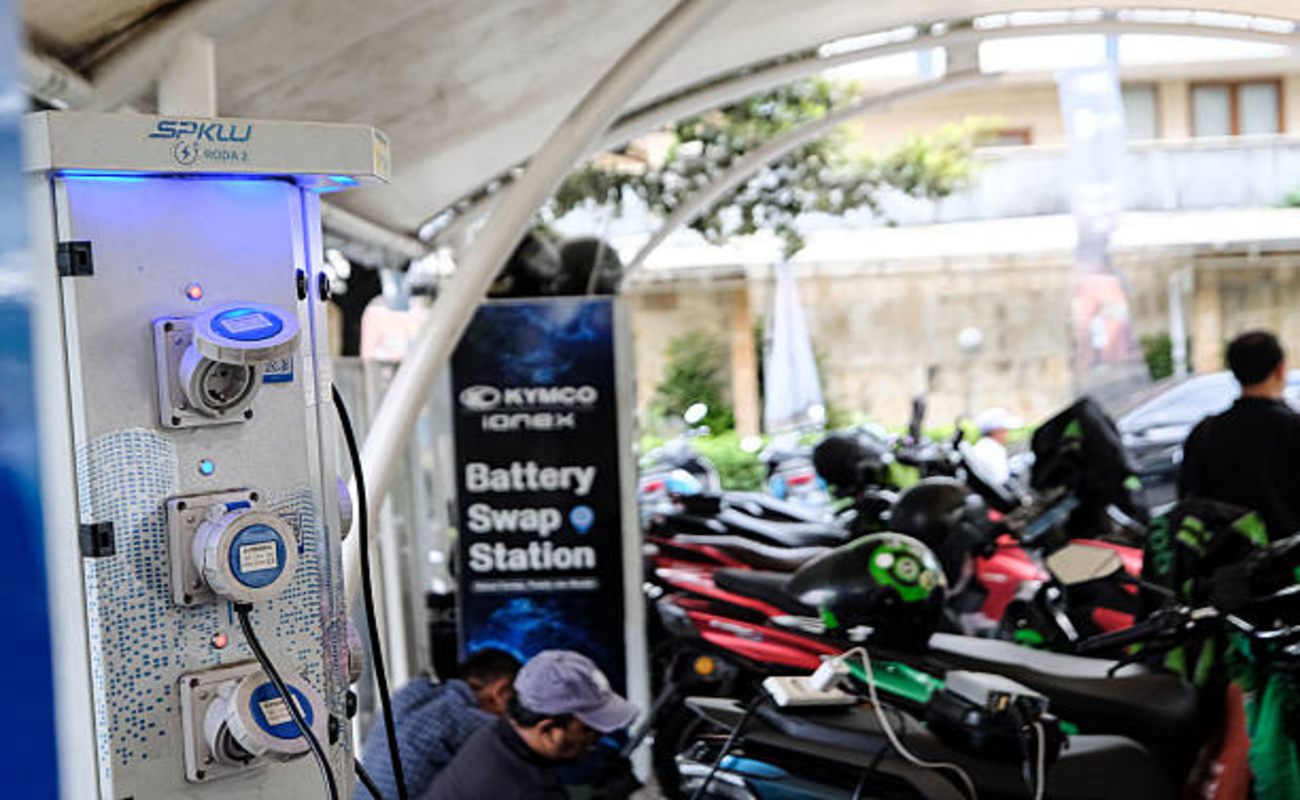
पेट्रोल-डीजल के बढ़ते दामों के कारण उपभोक्ताओं ने सेकेंड-हैंड ईवी बाजार की ओर रुख किया, जिससे पुरानी इलेक्ट्रिक गाड़ियों का बाजार तेजी से फैला। दक्षिण कोरिया जैसे देशों में ईवी रजिस्ट्रेशन में रिकॉर्ड उछाल आया, वहीं विकासशील देशों में भी बुनियादी ढांचे की कमी के बावजूद लोगों की दिलचस्पी बढ़ी।
वैश्विक मांग बढ़ने से चीनी ईवी का निर्यात भी काफी बढ़ गया। हालांकि, विशेषज्ञों का मानना है कि ईवी को अपनाने की रफ्तार अभी भी सभी जगह एक जैसी नहीं है। ईंधन संकट ने इलेक्ट्रिक वाहनों को बढ़ावा जरूर दिया, लेकिन क्या वाकई ईवी ने यह जंग जीत ली है? यह सवाल अब भी बरकरार है।
Follow News on our Facebook Channel : https://www.facebook.com/bnnewsindia
Has the Iran war given electric vehicles a winning edge?
The Iran war disrupted global oil supplies, leading to a sharp rise in fuel prices and increased energy uncertainty. This had a direct impact on electric vehicles (EVs). In the US, Europe, and Asia, both inquiries and sales of EVs saw a significant surge.
Rising petrol and diesel prices pushed consumers toward the second-hand EV market, causing rapid growth in used electric vehicle sales. Countries like South Korea witnessed record increases in EV registrations, while interest also grew in developing nations despite limited infrastructure.
The surge in global demand also boosted exports of Chinese EVs. However, experts believe that the pace of EV adoption is still uneven across regions. While the fuel crisis has certainly accelerated the shift toward electric vehicles, the question remains: have EVs truly won the battle?